
What Is a Bank Current Account and How Do I Open One?
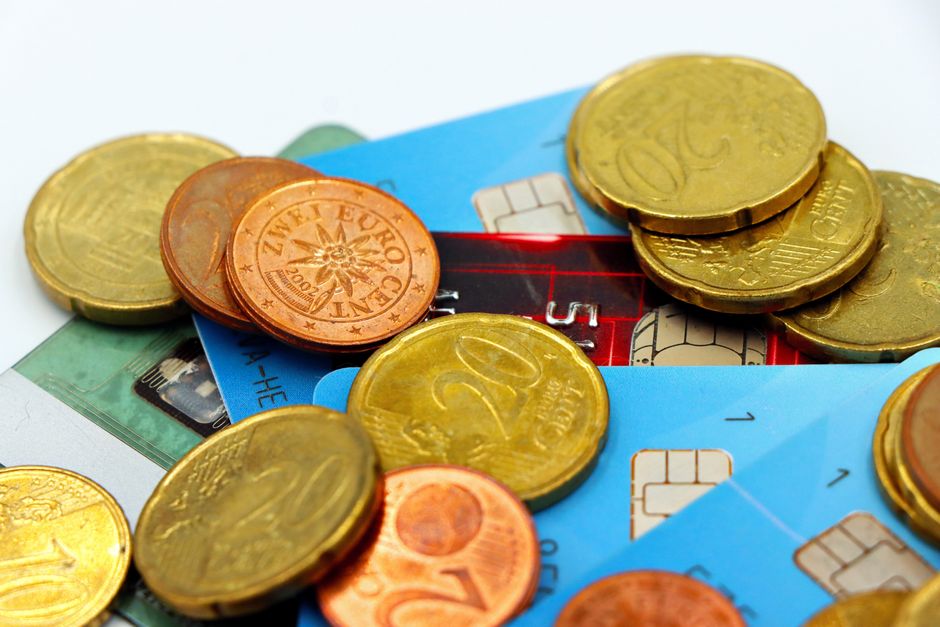
A UK bank current account is for managing everyday money: receiving wages or benefits, paying bills, making card payments and withdrawing cash. It may also offer an overdraft, but fees and eligibility rules vary. To open one, apply online or in a branch with identity and address details; if credit history or standard ID is a barrier, a basic bank account may be an option.
What is a bank current account used for?
A bank current account is used to manage money coming in and going out day to day. Citizens Advice describes it as a way to receive salary or benefits, pay bills and track spending. Most accounts support a debit card, while Direct Debits and standing orders let you arrange recurring payments.
That makes the account a practical hub: income arrives in one place, regular bills can be scheduled, and cash can be withdrawn when needed. Before applying, check whether the account charges for services you expect to use, how overdrafts work, and what happens if you spend more than your balance. An overdraft is borrowing, so its availability and terms matter; it is not a standard feature of basic accounts.
Compare the actual features rather than choosing by the account label. A useful short question for a provider is: “What fees could I pay for ordinary use, and what does the overdraft cost?”
What can I do with a current account that I can’t do with a savings account?
A current account is designed for frequent transactions; a savings account is generally for money set aside for future needs. Citizens Advice notes that savings accounts pay interest, while current accounts may also pay interest but often at a lower rate.
Current accounts commonly handle card purchases, bill payments, regular transfers and cash withdrawals. A basic account can also receive wages, benefits and pensions, support debit-card payments, Direct Debits and standing orders, and allow cash withdrawals. MoneyHelper says basic accounts do not include an overdraft or cheque book and are free to set up and use, though some special transactions or foreign-currency use may incur charges.
Think of the distinction as spending access versus saving. A current account makes money available for bills and daily purchases; a savings account is the place to consider for money you do not need to use as regularly. If you want both functions, check each account’s terms rather than assuming one account will do both equally well.
What do I need to open a current account in the UK?
To open a current account in the UK, expect to provide identity details and information that helps the bank verify your address. Applications are commonly made online or in a branch, and Citizens Advice says banks typically ask for your full name, date of birth and address.
Use this sequence to keep the application straightforward:
- Choose the account type. Compare whether you need an overdraft, what day-to-day services are included, and whether any fees apply.
- Check the provider’s document list. A passport or driving licence and proof of address are commonly requested, according to MoneyHelper. Requirements vary, so confirm acceptable documents before you start.
- Apply online or in a branch. Provide the requested personal details and complete the provider’s identity checks.
- Ask about alternatives if verification stalls. MoneyHelper lists possible address evidence such as letters from HMRC, DWP, a local council, GP, employer, college or social landlord. Citizens Advice says applicants without the requested documents can ask about a letter from a responsible person, such as a GP, teacher, social worker or probation officer.
Not having a standard online-verification document does not automatically settle the question. The FCA has noted that some providers did not clearly explain that alternative identification could be used. Ask directly: “Which other documents can you accept to verify my identity or address?” Some banks also have schemes for people without a fixed address, according to MoneyHelper.
Can I open a current account with no credit history or a poor credit score?
You may be able to open an account with little credit history or a poor credit score, but a standard account can be harder to obtain. A basic bank account is often the relevant option because it provides core banking without an overdraft; Citizens Advice says basic accounts are generally available even to people with previous bad debts or outstanding county court judgments.
MoneyHelper says people with poor credit histories or circumstances such as an IVA, debt management plan, debt relief order or bankruptcy may be eligible for a basic account. Eligibility and minimum age vary between banks. Ask specifically for a basic bank account if a standard account is not suitable, and confirm any eligibility conditions before applying.
The FCA describes basic accounts as a way to receive wages and benefits and pay bills without overdrafts or fees for standard everyday banking. Under the Payment Accounts Regulations 2015, nine designated providers must offer basic bank accounts to eligible consumers who are legally resident and do not have a UK account or are not eligible for other payment accounts. The FCA reported that 4.3 million UK adults had a basic bank account and 0.9 million were unbanked in 2024; in the same year, over 97% of adults had a current account.
One application detail can matter if you are protecting a credit file: the FCA reported that some providers used hard credit searches during account applications, and that these could be visible to other providers and potentially harm a consumer’s credit rating. Ask, “Will this application use a hard credit search?” A basic account without an overdraft may fit someone who needs everyday banking but does not want to apply for borrowing; confirm the provider’s process first.
If an application is declined, ask why and whether the issue was eligibility, identity verification or something else. MoneyHelper says you can complain if you think the decision was mistaken, apply to another provider, or consider a credit-union current account; some credit unions charge a monthly fee. A decline is a reason to clarify the next route, not a reason to guess which requirement caused the problem.
Frequently Asked Questions
Can I open a bank account if I don’t have standard proof of address?
Possibly. MoneyHelper says alternatives may include letters from HMRC, DWP, a local council, a GP, an employer, a college or a social landlord, and some banks have schemes for people without a fixed address. Citizens Advice says you can ask whether a letter from a responsible person, such as a teacher or social worker, can help.
What is the difference between a basic bank account and a standard current account?
A basic bank account supports core transactions such as receiving money, paying bills and withdrawing cash, but does not offer an overdraft. A standard current account may offer an overdraft and other features, with fees or eligibility conditions depending on the provider.
Does opening a current account affect my credit score?
It can depend on the application process. The FCA has reported that some providers used hard credit searches, which may be visible to other account providers and could temporarily affect a credit rating. Ask whether the application involves a hard search, especially if you do not want or need an overdraft.
Can a bank refuse to open a current account, and what can I do next?
Yes. If declined, ask the provider for the reason and whether missing information or identity checks affected the decision. MoneyHelper says you can complain if you believe there was a mistake, apply elsewhere, or consider a basic account or a credit-union current account.
Sources
- Financial Conduct Authority: Basic bank accounts—problems in the industry and commitment to change
- MoneyHelper: Basic bank accounts
- Citizens Advice: Getting a bank account
- Financial Conduct Authority: UK Payment Accounts Access and Closures—Update
Disclaimer: This article is for general information only and is not financial advice. It does not take your personal circumstances into account, and past performance does not predict future results. Speak to a licensed financial professional before making money decisions.
Keep reading

Is Current a Good Bank Account? Who It Suits and What It Lacks
Current suits mobile-first users with eligible direct deposits, but cash fees, limited access, and conditional features can make it a poor fit.
What Is a Bank Current Account?
A bank current account is for everyday income and payments, with features and fees that vary by country and provider.

Which Bank Gives 7 Interest on Savings Accounts? Compare Options
As of November 2026, Canopy offers 7.00% on capped savings; two credit unions advertise 7.00% on checking.

What Does Quitting Cigarettes Cold Turkey Feel Like Day by Day?
A practical timeline for cigarette withdrawal, cravings, mood changes, trigger plans, treatment options, and when to seek medical help.