
What Counts as a Vegetable Item?
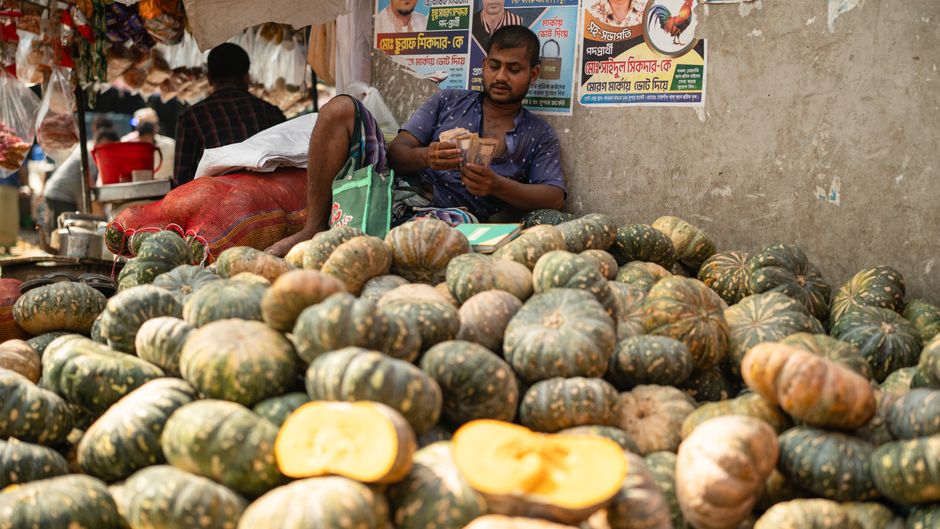
A vegetable item is produce counted as a vegetable in everyday food use or in USDA food-group guidance. That includes leafy greens, roots, squash, beans, potatoes, tomatoes, and mushrooms, whether fresh, frozen, canned, dried, cut up, or cooked. Some labels differ by context: tomatoes are botanically fruits, and mushrooms are fungi, but both are grouped with vegetables for food purposes.
What are some examples of vegetable items?
Vegetable items include familiar produce such as spinach, broccoli, carrots, tomatoes, beans, potatoes, mushrooms, cabbage, celery, cucumbers, and zucchini. The USDA’s MyPlate vegetable guidance counts vegetables in many forms: fresh, frozen, canned, dried, whole, cut up, or puréed. The useful grocery rule is simple: the form can change, but the item can still belong in the vegetable group.
To make that rule practical, sort vegetables by type rather than trying to memorize one long list. USDA organizes them into five subgroups: dark green; red and orange; beans, peas, and lentils; starchy; and other vegetables. That grouping helps you build a list with variety instead of buying several items that all fill the same role.
- Leafy greens: spinach, kale, collards, romaine, and other lettuce.
- Roots and similar vegetables: carrots, beets, and turnips.
- Red and orange vegetables: tomatoes, carrots, sweet potatoes, and winter squash.
- Beans, peas, and lentils: beans, peas, and lentils.
- Starchy vegetables: white potatoes, corn, cassava, plantains, and taro.
- Other vegetables: broccoli, cabbage, cauliflower, celery, cucumber, eggplant, mushrooms, onions, asparagus, and Brussels sprouts.
The categories can overlap in ordinary conversation. Carrots, for example, are roots and also appear in the red-and-orange subgroup in federal food guidance. Use the category that helps you shop; it is a filing system, not a test.
What vegetables should I put on a grocery list?
Start with a short mix of vegetables you can use in more than one meal: leafy greens, onions, carrots, potatoes, tomatoes, and one or two choices such as broccoli, cabbage, bell peppers, or frozen peas. This covers different types and gives you both flexible basics and options for changing the meal.
Use this checklist as a template, then adjust it to your recipes, storage space, and budget:
- Leafy green: spinach, romaine, or another lettuce.
- Root: carrots or beets.
- All-purpose flavor base: onions.
- Starchy option: potatoes or corn.
- Red or orange option: tomatoes, sweet potatoes, or winter squash.
- Quick-cooking or frozen option: broccoli, peas, or another vegetable you regularly use.
Think in roles: a green for salads or cooked dishes, a sturdy root, an onion for meals where you want one, and a vegetable you can add quickly. You do not need every subgroup in every shopping trip. A compact list that matches meals you will actually prepare is more useful than an ambitious list that goes unused.
USDA’s serving equivalents can also help when you are comparing portions: 2 cups of raw leafy greens or 1 cup of most cooked vegetables count as 1 cup from the vegetable group. That is a portion guide, not a requirement to buy a particular amount. Choose fresh, frozen, canned, dried, or prepared forms based on what makes the list workable for you.
Are potatoes, tomatoes, and mushrooms considered vegetables?
Yes, all three are commonly treated as vegetables in food use, but the reason is different for each. Potatoes are starchy vegetables in USDA guidance; tomatoes are botanically fruits but are grouped with vegetables for everyday food purposes; and mushrooms are fungi that are used and categorized as vegetables for food-group purposes.
Potatoes: White potatoes are listed among starchy vegetables, alongside corn, cassava, plantains, and taro, in the Dietary Guidelines for Americans framework. If your list is organized by subgroup, place potatoes with the starchy items rather than with leafy greens or roots.
Tomatoes: The botanical label and the kitchen label answer different questions. Utah State University Extension explains that a tomato develops from a flower’s ovary and contains seeds, so botanically it is a fruit. In everyday food use and USDA vegetable-group guidance, tomatoes are treated as vegetables and placed in the red-and-orange subgroup. For a grocery list or meal plan, “vegetable” is the useful category.
Mushrooms: Mushrooms belong to the fungi kingdom, not the plant kingdom, and reproduce through spores. Yet cooking treats them as vegetables, and USDA lists them under “other vegetables” for food-group purposes. White button, shiitake, and portobello are familiar varieties named by Utah State University Extension. The practical answer depends on context: biological classification says fungi; food shopping says vegetables.
One useful distinction keeps the labels straight: botanical categories describe how an organism develops or what kingdom it belongs to, while food categories help people group ingredients and plan meals. Those systems do not always use the same labels. When filling a grocery list, follow the food category; when asking a science question, use the botanical one.
Frequently Asked Questions
What are the most common vegetables to buy?
A practical starter list includes onions, carrots, potatoes, tomatoes, leafy lettuce or spinach, bell peppers, and broccoli. These give you options across several vegetable types; choose fresh, frozen, or canned forms that fit your meals and budget.
How can I group vegetables for a shopping list?
Group them by type: leafy greens, roots, red and orange vegetables, starchy vegetables, beans and peas, and other vegetables. This makes it easier to spot what is missing and choose a mix for different meals.
Before your next shop, scan the list by group and add one item to cover a type you are short on. Then match the items to meals you already plan to make.
Sources
Keep reading

What Does Quitting Cigarettes Cold Turkey Feel Like Day by Day?
A practical timeline for cigarette withdrawal, cravings, mood changes, trigger plans, treatment options, and when to seek medical help.

Can I Take Supplements During Chemotherapy or Radiation?
A practical guide to reviewing vitamins, antioxidants, herbs, and mushroom supplements during cancer treatment.
What Is the Food We Eat in the Evening Called?
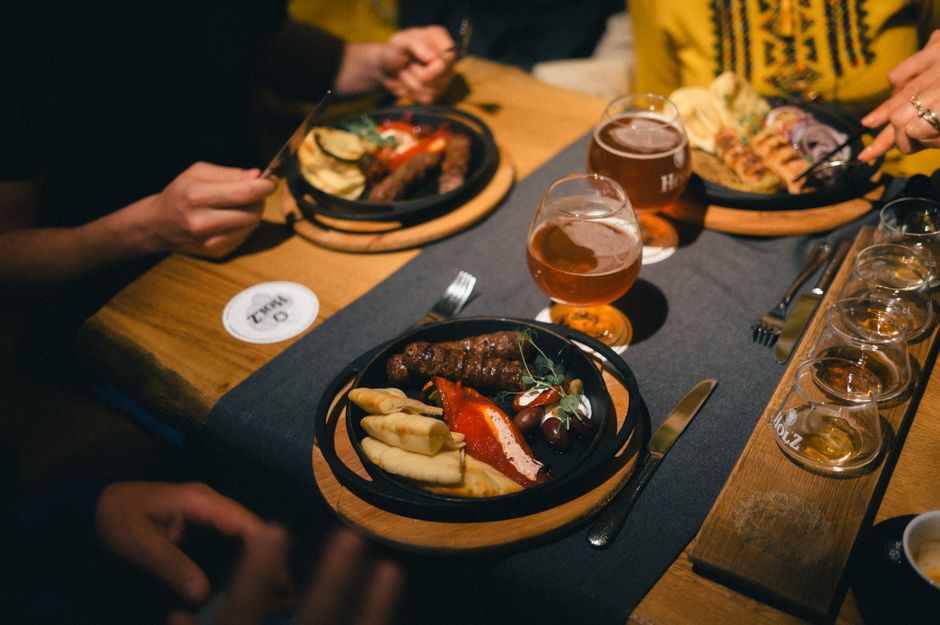
The evening meal is usually called dinner or supper, but the preferred term varies by region, household, and whether dinner is the main meal.
What food should I eat for dinner?
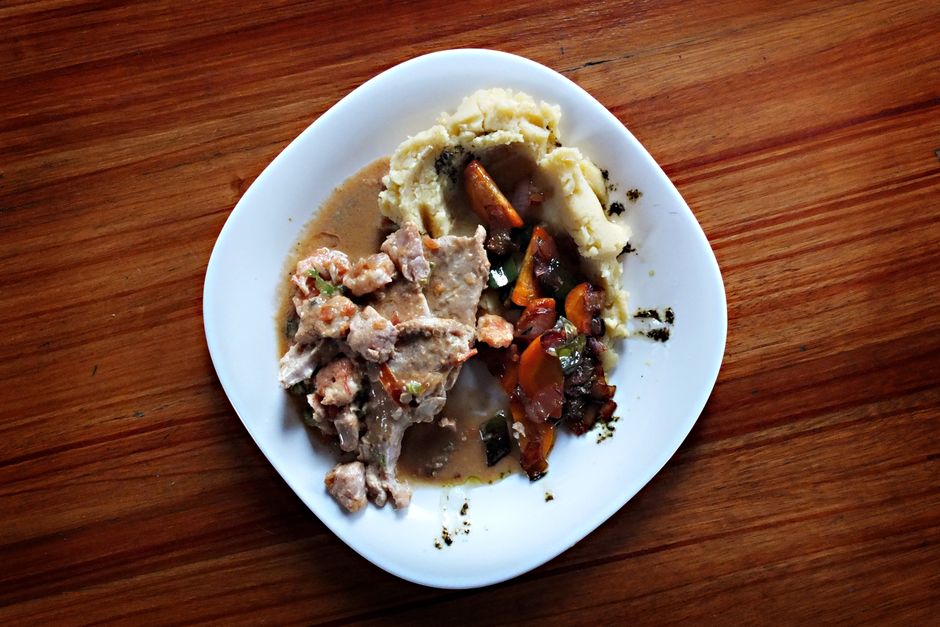
Choose one of seven dinner routes, then match it to your time, energy, appetite, and ingredients already at home.