
What food should I eat for dinner?
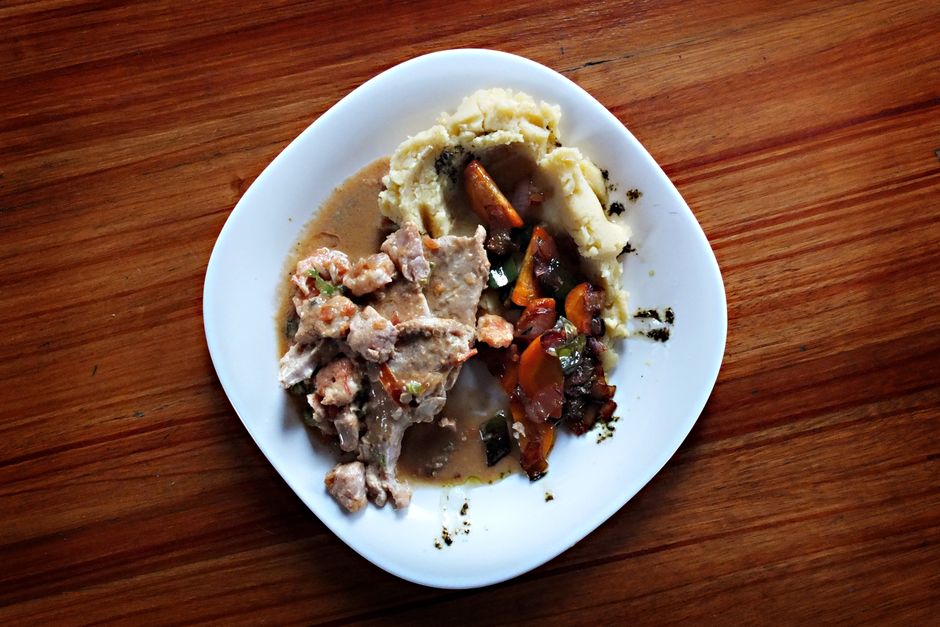
For food to eat for dinner, choose one of seven dependable routes: a pantry meal, one-pan rice, a quick stir-fry, a grain bowl, soup or chili, a frittata, or breakfast for dinner. Start with the ingredient that needs using, then match the meal to your time, energy, and appetite. Build around vegetables, a grain, and a protein; scale portions to the people eating.
Which food should I eat for dinner tonight?
Choose dinner by checking four things in order: time, energy, appetite, and ingredients. This stops the nightly decision from turning into a search through dozens of recipes. First decide whether you can cook, assemble, or only reheat; then choose the route that fits.
Use this quick decision path:
- Check time. If dinner needs to be fast, use cooked rice, leftovers, canned beans, eggs, or frozen vegetables. If you have more time, make a soup or chili that can use several ingredients.
- Check energy. For low effort, choose a one-pan meal or assemble a bowl from ready-to-eat parts. For more energy, chop fresh vegetables and build a stir-fry.
- Check appetite. A lighter appetite can suit a vegetable-forward soup or bowl; a bigger appetite may call for a substantial grain and protein alongside vegetables.
- Check the fridge first. Pick one ingredient that needs using and let it set the direction. A few vegetables can go into rice, soup, a frittata, or a stir-fry.
For balance, the USDA and U.S. Department of Health and Human Services' Start Simple With MyPlate Today recommends making half the plate fruits and vegetables and half the grains whole grains. It also advises varying protein choices and choosing foods with less added sugar, saturated fat, and sodium. Treat that as a flexible build, not a reason to delay dinner while aiming for a perfect plate.
What are seven healthy dinners I can choose from?
Seven useful dinner choices are pantry meals, one-pan fried rice, stir-fries, grain bowls, soups or chili, frittatas, and breakfast-for-dinner plates. Each is a format rather than a fixed recipe, so you can adapt it to what's already on hand.
- Pantry meal: Combine beans, canned tomatoes, and available vegetables into chili or soup. The MyPlate guide includes bean-based chili and lentil soup as quick dinner building blocks. Add a whole grain if you have one.
- One-pan vegetable fried rice: The USDA Food and Nutrition Service recipe combines cooked brown rice, frozen mixed vegetables, celery, onion, and reduced-sodium soy sauce. It makes four servings and heats the cooked rice through in about two minutes after it is added to the pan.
- Quick stir-fry: Stir-fry fresh or frozen vegetables with a protein and serve over brown rice or whole-grain noodles. A MedlinePlus turkey and vegetable stir-fry recipe uses cooked turkey and two cups of vegetables; its listed total time is 20 minutes.
- Grain bowl: Layer a whole grain, vegetables, and protein in a bowl. Harvard's Healthy Eating Plate suggests roughly half vegetables and fruits, one quarter whole grains, and one quarter healthy protein. Use leftovers as components and adjust the proportions to what you have.
- Soup or chili: Put aging produce and ingredient odds and ends to work in soup, stew, or bean-based chili. Harvard notes its meal proportions can guide soups too: make about half the ingredients colorful vegetables, then combine whole grains and a healthy protein.
- Frittata: Fold vegetables that need using into eggs for a flexible one-pan dinner. The EPA specifically recommends frittatas as one way to repurpose aging produce and ingredient odds and ends.
- Breakfast for dinner: Use eggs, vegetables, and a whole-grain side to make a simple plate. It gives the same useful building blocks as other dinners without requiring a separate recipe plan.
These routes differ mainly in effort and what they consume: fried rice and stir-fries suit cooked grains and freezer vegetables; soups and frittatas help use assorted leftovers; bowls are easiest when components are already cooked. For more ideas about identifying produce, see What Counts as a Vegetable Item?
What are the top dinner foods when I don't know what to cook?
The most dependable dinner foods are flexible building blocks: vegetables, whole grains, beans, eggs, fish, poultry, nuts, and leftovers. Instead of searching for a ranked list of foods, pair what is available into a meal structure you can repeat.
Harvard's Healthy Eating Plate names fish, poultry, beans, and nuts as versatile protein choices and recommends limiting red meat and avoiding processed meats. The MyPlate guide likewise encourages varying protein choices. A useful default is a vegetable base, a whole grain, and one protein; that combination works in bowls, soups, and quick pans.
Use the low-waste fridge check: open the refrigerator, freezer, and pantry before deciding what to buy or cook. The EPA says one-third of food in the United States goes uneaten and estimates the average family of four spends almost $3,000 each year on food that is not eaten. Its practical recommendation is to list foods that need using and plan meals around them. Pick one such ingredient tonight; the meal format can handle the rest.
For two people, start by halving a larger recipe when the ingredients divide cleanly, or make the full batch when the extra portions will become another meal. The EPA recommends cooking portions appropriate for the number of people eating. Put leftovers away promptly: FoodSafety.gov says cooked meat or poultry leftovers and soups or stews generally keep three to four days in a refrigerator at 40°F (4°C) or below. Its guidance says foods kept continuously frozen at 0°F (-18°C) or below remain safe indefinitely, though freezer-time guidance concerns quality.
Frequently Asked Questions
What can I eat for dinner with ingredients I already have?
Choose one ingredient that needs using, then pair it with a grain and a protein you already have. Turn odds and ends into fried rice, soup, a stir-fry, or a frittata. The EPA recommends checking the refrigerator, freezer, and pantry before shopping.
How do I decide what to eat for dinner when I'm tired?
Pick the lowest-effort route that fits your available time: use leftovers for a bowl, combine cooked rice and frozen vegetables in one pan, or make a simple soup. Let the ingredients you have decide the meal, so you avoid extra shopping and unnecessary steps.
What can I make for dinner quickly without ordering takeout?
Try vegetable fried rice with cooked rice and frozen vegetables, or a turkey-and-vegetable stir-fry served with brown rice or whole-grain noodles. The USDA fried rice recipe uses one pan, and a MedlinePlus turkey stir-fry recipe takes 20 minutes total.
Sources
- U.S. Department of Agriculture and U.S. Department of Health and Human Services, Start Simple With MyPlate Today
- U.S. Environmental Protection Agency, Preventing Wasted Food at Home
- FoodSafety.gov, Cold Food Storage Charts
- Harvard T.H. Chan School of Public Health, The Healthy Eating Plate
- MedlinePlus, Vegetables and Turkey Stir-Fry
- U.S. Food and Nutrition Service, Vegetable Fried Rice
Keep reading
What Is the Food We Eat in the Evening Called?
The evening meal is usually called dinner or supper, but the preferred term varies by region, household, and whether dinner is the main meal.
What food to eat in evening snacks?
Choose fruit, yogurt, vegetables, whole grains, or popcorn, adjusting the portion to your hunger, dinner timing, and bedtime.
What Food Eaten in Evening Is Best When You’re Hungry?
Choose evening food by hunger and bedtime: pair protein with fiber, and allow 3 hours before lying down if you have nighttime reflux.
What Does Quitting Cigarettes Cold Turkey Feel Like Day by Day?
A practical timeline for cigarette withdrawal, cravings, mood changes, trigger plans, treatment options, and when to seek medical help.