
How Do I Choose Senior Dance Classes?
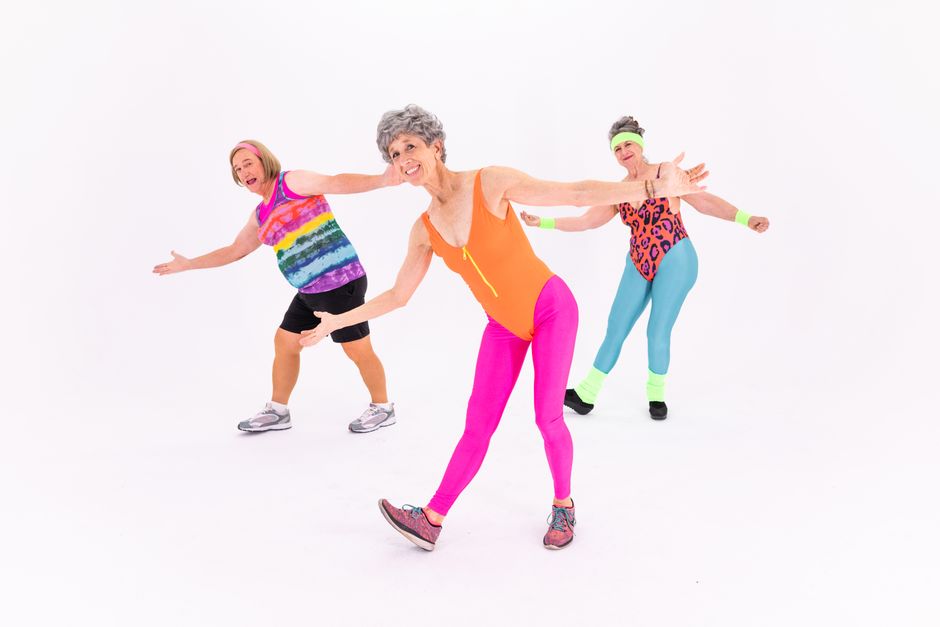
Senior dance classes can work for beginners when the instructor offers simple steps, clear modifications, and breaks, and the format fits your mobility and comfort. Compare seated, low-impact, line, ballroom, and creative movement classes; ask about access, seating, flooring, class size, and trial options. Prices and local programs vary, so check community venues and any eligible fitness benefit before enrolling.
Are senior dance classes suitable for complete beginners?
Yes. A beginner-friendly class explains movements as it goes, offers a slower or smaller version of each step, and makes it normal to pause. Before registering, ask whether new students can join without knowing choreography or dance terminology.
Dance can be one way to be active, but the evidence does not mean every class fits every person. A meta-analysis in Annals of Geriatric Medicine and Research reported improvements in physical function among healthy adults aged 60 and older across dance-program types. Its findings do not establish that every format or intensity is suitable for a person with a specific health or mobility concern.
The CDC’s older-adult activity guidance recommends aerobic activity, muscle strengthening, and activities to improve balance. It also says to be as active as abilities and conditions allow if meeting the recommendations is difficult. A dance class can be one part of an activity routine, but a review in Age and Ageing found very low-certainty evidence about whether dance reduces falls. It cautions against treating dance as an established replacement for targeted strength-and-balance programs for people at intermediate or high fall risk.
Start with the class description, then confirm what actually happens in the room: how steps are taught, whether turns are optional, and whether breaks are built in. If your goal includes improving leg strength for daily activities, this guide to strengthening the legs for everyday tasks offers another angle to discuss with a qualified professional.
Can I take a senior dance class seated or use a cane or walker?
Possibly; it depends on the class setup and the instructor’s ability to adapt movements. Ask before attending whether the class has stable chairs, clear space for mobility aids, step-free entry, and seated versions of the movements.
Make your request specific. For example: “I use a walker and need seated breaks. Is there space to park it safely, and can I do the class without turns?” If balance is a concern, ask whether participants can stay near a chair or skip movements that require direction changes. For arthritis or limited range of motion, ask if smaller movements are welcome and whether you can choose a comfortable range.
Use a first-class checklist rather than relying on a broad label such as “gentle.” Confirm the entrance and route to the class, floor surface, seating, class size, rest breaks, and the instructor’s experience with adaptations. Ask what happens if you need to stop or leave the activity area. These details make it easier to judge whether the class is workable before you commit.
For a class at home, check the camera view and clear a space that lets you move without obstacles. The CDC Community Preventive Services Task Force recommends home-based exercise interventions for adults aged 65 and older to improve fitness, including strength, endurance, and balance. The programs in its review could use in-person instruction or digital formats, and could use chairs or other low-cost items available at home. This is evidence about home-based exercise interventions generally, not a guarantee about any particular online dance class.
What types of senior dance classes are available, and how do they differ?
Class names can be less useful than the practical differences: pace, partner requirements, movement choices, and whether there is a seated option. Ask for a description of a typical session rather than assuming a format will match your needs.
| Format | Typical feature to ask about | Useful fit question |
|---|---|---|
| Line dancing | Group choreography, often without a partner | Are steps taught gradually, and can turns or direction changes be skipped? |
| Ballroom | Partner-based steps may be part of the class | Is a partner required, and can the steps be adapted for smaller movements? |
| Low-impact dance fitness | Dance-inspired movement may be taught as exercise | Are there lower-intensity options and regular pauses? |
| Creative movement | Movement may be less focused on fixed choreography | Can participants choose a comfortable range and pace? |
| Chair-based dance | Movements are designed to be done seated, or with a chair available | Is the class fully seated, or does it also include standing movements? |
These are questions to guide your comparison, not guarantees about what every class includes. Two classes with the same label can differ in pace, teaching style, and access arrangements. Research also covers varied formats: the Age and Ageing review included ballroom and Latin dance, dance exercise, cultural dance, dance therapy, and low-impact dance, but did not establish that they all prevent falls.
Use the format as a starting point, then check the actual movements and supports. If you prefer not to coordinate with a partner, ask about solo participation. If you want to remain seated, verify that seated participation is built into the session rather than offered only as an occasional modification.
How much do senior dance classes cost, and are free options available?
There is no single price in the provided research, so confirm the local fee before you register. Ask whether the price is per class or for a series, whether there is a trial session, and whether missed classes can be made up. The cost comparison should include travel and any required membership, not just the advertised class fee.
Check senior centers, community programs, and libraries for locally available classes or events; availability and fees vary by location. Ask whether registration is required and whether the venue can confirm access arrangements. You can also look into eligible fitness benefits. According to Medicare.gov, Original Medicare does not cover gym memberships or fitness programs, while some Medicare Advantage, other Medicare health, or Medigap plans may include a fitness benefit. Contact your plan to confirm whether a specific class or provider qualifies.
Online classes may reduce travel, but check whether there is a fee, a required subscription, or equipment to provide. The home-exercise evidence supports digital delivery as one way instruction can be provided; it does not establish that online dance classes are free or covered by a plan. Confirm the full cost and cancellation terms directly with the provider.
Frequently Asked Questions
What should I ask an instructor about balance concerns, arthritis, or limited mobility?
Describe the movement or access concern and ask what seated or reduced-range options are available. Ask whether you can pause, use a chair for support, skip turns, or take breaks, and whether the instructor has experience adapting classes for mobility needs. If you are unsure what activity is appropriate for your circumstances, ask a health professional.
What should I wear and bring to my first senior dance class?
Ask the instructor what footwear works on that studio’s floor and whether the class involves turns or partner work. Wear comfortable clothing that lets you move, and bring any mobility aid you normally use. Confirm whether seating and water are available before you arrive.
Are online senior dance classes a good option if I cannot travel to a studio?
They can be a practical way to take part at home, especially when travel or venue access is a barrier. The CDC Community Preventive Services Task Force recommends home-based exercise interventions for older adults, including programs delivered through digital formats, but that finding is not specific to every dance class. Check that you can see the instructor clearly, have enough room, and can adapt or pause movements.
Sources
- CDC, Older Adult Activity: An Overview
- Age and Ageing, Effectiveness of dance interventions for falls prevention in older adults: systematic review and meta-analysis
- Annals of Geriatric Medicine and Research, A Meta-Analysis of the Effects of Dance Programs on Physical Performance
- CDC Community Preventive Services Task Force, Physical Activity: Home-based Exercise Interventions for Adults Aged 65 Years and Older
- Medicare.gov, Gym Memberships & Fitness Programs
Disclaimer: This article is for general information only and is not medical advice. It is not a substitute for diagnosis or treatment by a qualified healthcare professional. Always speak to your doctor before acting on anything you read here.
Keep reading

How to Choose an Inpatient Mental Health Facility in Louisiana
Compare Louisiana inpatient mental health options by age, care type, insurance, admission route, and the questions to ask before calling.
How to Strengthen Leg Muscles at Home
Strengthen your legs at home with bodyweight squats, hinges, split-stance moves and calf raises, progressing gradually at least two days a week.

What Does Quitting Cigarettes Cold Turkey Feel Like Day by Day?
A practical timeline for cigarette withdrawal, cravings, mood changes, trigger plans, treatment options, and when to seek medical help.
How to Strengthen the Legs for Everyday Tasks?
Strengthen your legs with squat, hinge, single-leg, and calf exercises, starting with manageable resistance and progressing gradually.