
How to Strengthen Leg Muscles at Home
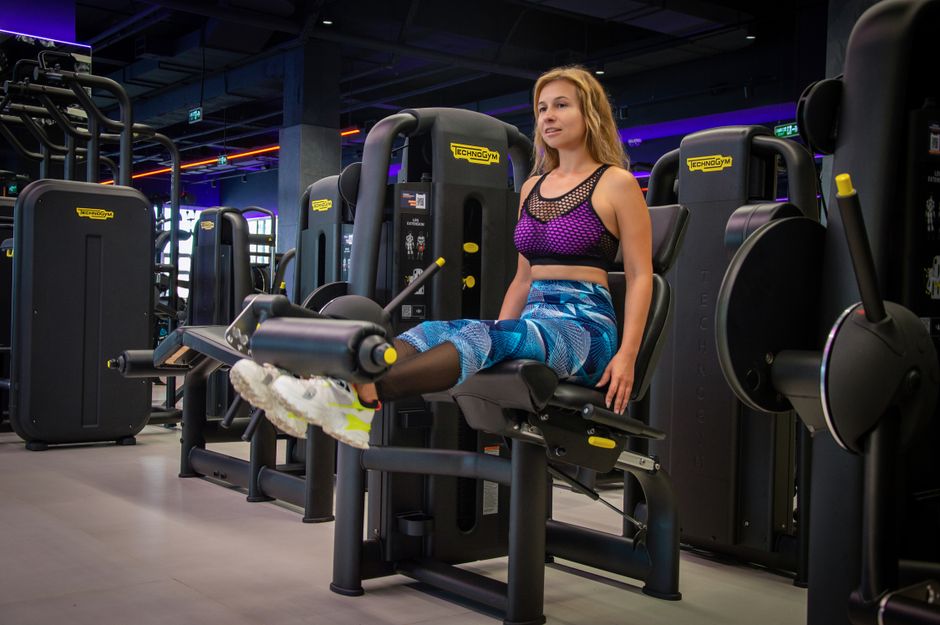
To learn how to strengthen leg muscles at home, train with bodyweight squats, hip hinges, split-stance moves and calf raises. Start with manageable sets and repetitions, use controlled form, and train at least two days a week. As the exercises become easier, progress by adding repetitions, slowing the lowering phase, pausing, increasing your range of motion or moving to single-leg versions.
What exercises strengthen all the major leg muscles at home?
Squats, hip hinges, split-stance movements and calf raises make a practical home routine because they train the legs and hips through different actions. The U.S. Department of Health and Human Services Physical Activity Guidelines, second edition (2018), say muscle-strengthening activity should involve all major muscle groups, including legs and hips.
For a squat, stand with feet about hip-width apart, then bend your hips and knees as if sitting toward a chair. Keep the movement controlled and use a depth you can manage without losing balance or control. The NHS’s strength exercises guidance describes mini-squats with feet hip-width apart, knees tracking forward and a straight back; its beginner example starts with five repetitions.
A hip hinge shifts the work toward the back of the legs: soften your knees, move your hips back and tip your torso forward while keeping your back steady, then stand tall. For a beginner alternative, the NHS suggests standing backward leg lifts to work the back of the thigh and bottom. Its guidance says to hold the lift for up to five seconds and repeat five times per leg.
For a split-stance movement, place one foot ahead of the other and bend both knees only as far as you can control. Use a wall or sturdy chair for balance if needed. Finish with calf raises: rise onto both toes slowly, then lower your heels under control. The NHS notes that doing calf raises without support makes the exercise harder.
How many sets and repetitions should a beginner do for leg strength?
A beginner should choose a number of sets and repetitions that makes the last repetitions challenging while leaving enough control to keep sound form. The American College of Sports Medicine position stand, indexed by PubMed (2009), recommends novices use resistance corresponding to an 8–12 repetition maximum: a workload that makes the final repetitions challenging.
That range is a reference for resistance training, not a requirement to force every bodyweight exercise into the same number. A squat may feel easy while a split-stance movement feels demanding. Begin with a manageable number, stop when form starts to slip, and build repetitions gradually. The NHS recommends gradually increasing repetitions over time.
Rest long enough between sets to perform the next one with control. The supplied guidance does not prescribe one universal rest period for this home routine, so use readiness and form rather than an arbitrary timer. Record the exercise, sets and repetitions; that makes gradual progress visible.
| Movement | Beginner cue | How to progress |
|---|---|---|
| Squat | Move hips back and bend knees under control. | Add repetitions, slow the lowering or use a deeper comfortable range. |
| Hip hinge or backward leg lift | Move from the hips or lift one leg behind without rushing. | Add a pause or more controlled repetitions. |
| Split stance | Keep a stable stance and bend only as far as control allows. | Increase range, pause, or reduce hand support. |
| Calf raise | Rise and lower both heels slowly. | Remove support, add a pause, or progress toward one leg. |
How often should I do leg-strengthening exercises at home?
Do leg-strengthening activity at least two days a week, with recovery time between sessions. The U.S. Department of Health and Human Services’ 2018 Physical Activity Guidelines recommend muscle-strengthening activity of moderate or greater intensity on at least two days each week. The American College of Sports Medicine’s 2009 position stand gives novices a frequency of two to three resistance-training days per week.
These recommendations support a simple starting schedule: two sessions on separate days, each covering the four movement patterns. If you are new to exercise, keep the first sessions modest and build over time. The federal guidelines advise starting slowly and increasing activity gradually.
A repeatable session can be short in design: squat, hinge, split stance, calf raise. Use one or more manageable sets of each, with enough rest to keep the next set controlled. Write down what you complete. At the next session, add a repetition or choose a slightly harder version only if the current movement remains steady.
Can I build stronger legs using only bodyweight exercises?
Yes. Bodyweight can provide resistance for muscle-strengthening activity, so a beginner can train at home without buying equipment. The 2018 federal guidelines explicitly recognize bodyweight as resistance, and the U.S. Department of Health and Human Services’ MyHealthfinder Get Active guidance includes bodyweight exercises among muscle-strengthening examples.
Progress does not require a stack of weights. First add repetitions within a range you can control. Then make the lowering phase slower, pause at the hardest point, or use more of your comfortable range of motion. When two-leg versions stop being challenging, shift toward split-stance or single-leg variations. These changes raise the demand while keeping the same basic movements.
Household resistance is another option, provided it is stable and easy to hold. A securely packed backpack can add load to a squat or hinge; keep the load close to the body and light enough that balance and posture stay controlled. The research sources support resistance training and gradual progression, but they do not prescribe a particular household object or loading amount. If an added load makes the movement unstable, return to bodyweight.
The key distinction is between effort and loss of control. A harder version should make the muscles work more, not make the movement rushed or unsteady. Change one variable at a time, track it, and build gradually.
Frequently Asked Questions
How can I make squats and lunges harder when they become easy?
Add repetitions, lower more slowly, pause near the bottom or use a greater comfortable range of motion. You can also progress from two-leg movements to split-stance or single-leg versions. Change one feature at a time and keep the movement controlled.
Which home exercises work the hamstrings and calves as well as the thighs?
Hip hinges and standing backward leg lifts target the back of the thigh, while squats and split-stance movements work the thighs and hips. Calf raises train the calves. Together, these movements cover more of the leg than a squat-only routine.
What is a simple weekly leg-strengthening routine for a beginner?
Use two sessions on separate days, with a squat, hip hinge, split-stance exercise and calf raise in each session. Begin with one or two manageable sets per movement, rest until you can keep good form, and record repetitions so you can progress gradually. The exact starting amount depends on your current ability.
Sources
- U.S. Department of Health and Human Services, Physical Activity Guidelines for Americans, 2nd edition
- American College of Sports Medicine position stand, indexed by PubMed
- NHS, Strength exercises
- U.S. Department of Health and Human Services, MyHealthfinder: Get Active
Disclaimer: This article is for general information only and is not medical advice. It is not a substitute for diagnosis or treatment by a qualified healthcare professional. Always speak to your doctor before acting on anything you read here.
Keep reading
How to Strengthen the Legs for Everyday Tasks?
Strengthen your legs with squat, hinge, single-leg, and calf exercises, starting with manageable resistance and progressing gradually.

What Does Quitting Cigarettes Cold Turkey Feel Like Day by Day?
A practical timeline for cigarette withdrawal, cravings, mood changes, trigger plans, treatment options, and when to seek medical help.

Can I Take Supplements During Chemotherapy or Radiation?
A practical guide to reviewing vitamins, antioxidants, herbs, and mushroom supplements during cancer treatment.
How Do I Choose Senior Dance Classes?
Choose senior dance classes by beginner support, movement options, access, and cost; ask about adaptations and trial sessions before enrolling.